
Complete your smile and restore your self-confidence with Restorative Dentistry

Restorative dentistry doesn’t just help you achieve a gleaming smile, it also optimizes your oral health, so you can chew, smile, and speak with greater confidence. At Freedom Dental in Fairfield, California, skilled dentist Cheng Zhu, DMD, and his team offer one-off restorations, like crowns or implants, or a full mouth reconstruction, if needed. Call the office or use the online booking tool to schedule a restorative dentistry consultation today.

Restorative Dentistry Q & A

What is restorative dentistry?

Restorative dentistry is the practice of replacing missing or damaged teeth to give you a complete smile. Fillings, crowns, implants, and bridges are examples of dental restorations. 

Restorative dentistry is important to your oral health and tooth alignment. By replacing missing teeth, you’ll find it easier to maintain good oral hygiene and prevent decay. Missing teeth also affect your ability to chew and speak and interfere with your self-esteem.

Restorative dentistry can:

  • Fill empty spaces in the mouth, helping to keep teeth properly aligned
  • Replace teeth, making it easier to maintain good oral hygiene and help prevent plaque build-up, and the problems plaque can precipitate
  • Improve the way you look and feel, missing teeth can affect your health, appearance, and self-esteem

Whether you have one missing tooth or need a full mouth reconstruction, restorative dentistry services at Freedom Dental can help.

What is a full mouth reconstruction?

Full mouth reconstruction involves a complete rehabilitation of your smile, including dental treatments for your teeth, gums, and bite.

A full mouth reconstruction may involve placing an entire row of implant-supported dentures. Although these are prosthetic teeth, the implants make it so that they don’t chafe or shift like traditional dentures. Full mouth reconstruction is customized to your needs, so the prosthetics feel and look entirely natural.

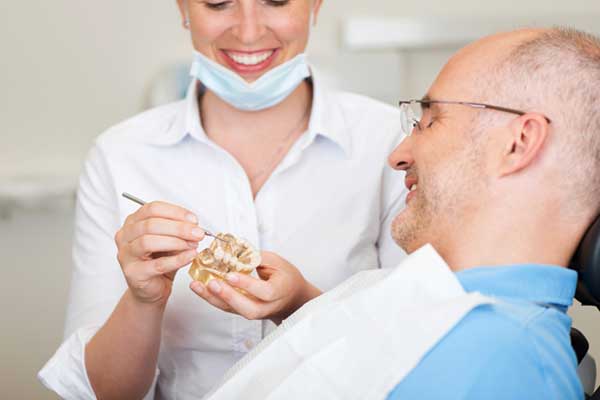
Old Patient with Two Doctors

A full mouth reconstruction may also include:

  • Invisalign clear aligners to correct bite issues
  • Porcelain veneers
  • Dental crowns and bridges
  • Professional whitening
  • Bonding
  • Single implants

Dr. Zhu customizes your restorative dentistry procedures to help you achieve a smile that makes you feel more confident. He might need to replace existing dental restorations if they’ve worn down over time or aren’t optimizing your smile now.

Why should I consider restorative dentistry services?

Restorative dentistry services and treatments can help restore a natural-looking smile that boosts your confidence and improves your oral health. You don’t have to worry about implants slipping or sliding. You can eat all your favorite foods and speak naturally. 

Care for your full mouth reconstruction is simple. You should brush twice daily, floss, and schedule regular professional cleanings. 

You will likely need to plan for multiple appointments for your restorative dental procedures.

To learn more about restorative dentistry, call Freedom Dental at (707) 416-0626 or use the online booking tool to schedule an appointment today.

Frequently Asked Questions About Restorative Dentistry

What are the most common procedures in restorative dentistry?

Restorative dentistry focuses on repairing damaged or missing teeth to restore function and appearance. Common procedures include fillings to treat cavities, crowns to protect weakened teeth, bridges to replace missing teeth, dental implants for long-term tooth replacement, and dentures for multiple missing teeth. Each option is designed to improve chewing, comfort, and overall oral health.

How do I know if I need restorative dental work?

Signs that restorative care may be needed include tooth pain, sensitivity, visible decay, cracked teeth, or missing teeth. Difficulty chewing or changes in your bite can also signal an issue. Regular dental exams help identify problems early, often before symptoms worsen. A dentist can evaluate your needs and recommend appropriate treatment.

What is the difference between restorative and cosmetic dentistry?

Restorative dentistry focuses on repairing damage and restoring function, while cosmetic dentistry emphasizes improving appearance. Some treatments, such as crowns, may serve both purposes. Restorative care ensures teeth function properly, and cosmetic treatments enhance how they look. Together, they can create a healthy and confident smile.

How long do restorative dental procedures typically last?

The lifespan of restorative work depends on the procedure and materials used. Fillings may last several years, crowns often last a decade or longer, and implants can last many years with proper care. Good oral hygiene and routine dental visits help extend the life of restorations. Modern materials are designed for durability and reliability.

Are restorative dental procedures covered by insurance?

Coverage varies depending on the dental insurance plan and the type of procedure. Treatments such as fillings, crowns, and bridges are often partially covered. Patients should review their benefits and speak with the dental office to understand costs. Knowing coverage ahead of time helps avoid surprises.

What should I expect during a restorative dental procedure?

Restorative treatment usually begins with a consultation and imaging to plan care. The procedure itself is performed with comfort in mind, often using local anesthesia. After treatment, patients receive instructions for care and recovery. Dentists encourage questions to ensure patients feel informed and comfortable.

How can I maintain my restored teeth after treatment?

Brushing twice daily, flossing regularly, and attending routine dental checkups are essential. Avoid habits such as chewing ice or using teeth as tools, as these can damage restorations. Eating a balanced diet also supports oral health. Following your dentist‘s aftercare guidance helps protect your investment.

Can restorative dentistry improve my ability to chew and speak?

Yes, damaged or missing teeth can affect chewing efficiency and speech clarity. Restorative treatments help rebuild proper tooth structure and alignment. Many patients notice improved comfort and confidence after treatment. Restoring function is a key goal of restorative dentistry.

Is restorative dentistry suitable for patients of all ages?

Restorative dentistry can benefit patients of all ages, from young adults to seniors. Treatment plans are tailored to each patient’s oral health, lifestyle, and goals. Addressing issues early helps preserve teeth and prevent further damage over time.

Can delaying restorative dental care cause bigger problems later?

Yes, postponing restorative treatment can allow minor issues to become more serious. Untreated decay or damage may lead to infection, tooth loss, or more complex procedures. Early intervention often results in simpler, more affordable treatment and better long-term outcomes.